

What is MFR
More Than a Technique.A Whole-Body Approach
Myofascial Release uses gentle, sustained touch to work with the body's fascial system, helping restore mobility, reduce pain, and create the conditions for lasting change.
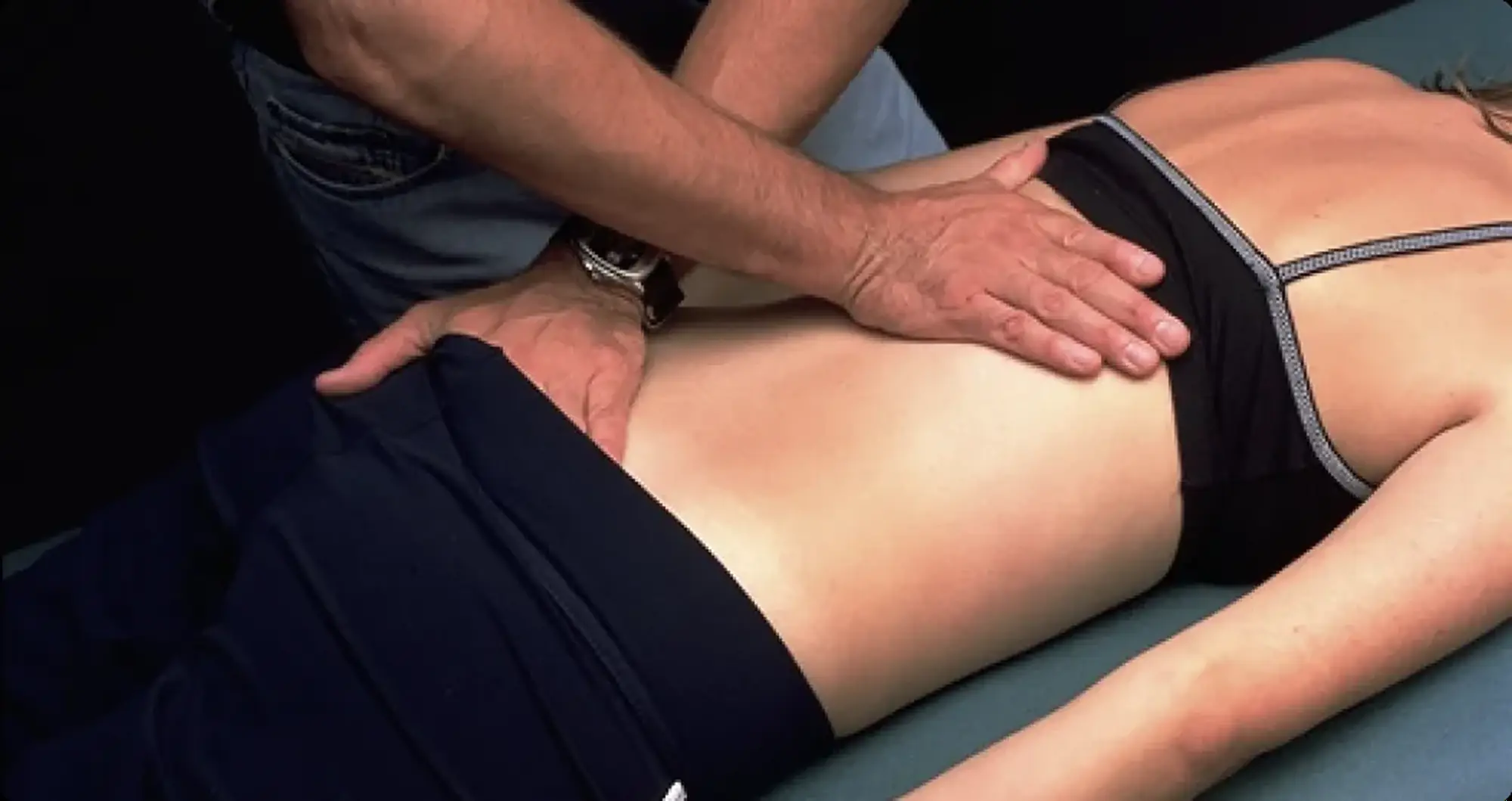
Myofascial release (MFR) is a hands-on therapeutic approach that views fascia, the body's connective tissue and extracellular matrix (ECM) as a living, responsive system rather than inert packaging. Fascia weaves through every structure, linking muscles, bones, nerves, and vessels into a continuous whole. When restrictions, dehydration, or tension build within this system, it can disrupt communication, movement, and energy flow. MFR works not by forcing tissue, but by engaging the fascia in a sustained, gentle way that allows it to soften, rehydrate, and reorganize.
At its core, myofascial release is about creating the conditions for the body to self-correct. By applying slow, sustained pressure, therapists engage both the mechanical and fluid components of fascia, opening pathways for improved circulation, cellular exchange, and nervous system regulation. Rather than “fixing” a part, MFR recognizes that symptoms often reflect a whole-system imbalance and that restoring flow in the fascial-ECM network can reset function across the body.
The result is more than symptom relief. Patients often experience improved mobility, reduced pain, and greater ease in movement, but also shifts in energy, mood, and resilience. Myofascial release helps people reconnect with their body's innate capacity for healing and adaptation, making it not just a manual therapy technique, but a doorway into a new paradigm of whole-body health and self-regulation.
The connective web
What is Fascia
Fascia is the tissue that wraps and links every structure in your body. When it moves freely, so do you. When it tightens, it pulls on everything around it.
Fascia plays an important role in the support and function of our bodies, since it surrounds and attaches to all structures. In the normal healthy state, the fascia is relaxed and wavy in configuration. It has the ability to stretch and move without restriction. When one experiences physical trauma, emotional trauma, scarring, or inflammation, however, the fascia loses its pliability. It becomes tight, restricted, and a source of tension to the rest of the body.
Trauma, such as a fall, car accident, whiplash, surgery or just habitual poor posture and repetitive stress injuries has cumulative effects on the body. The changes trauma causes in the fascial system influences comfort and function of our body. Fascial restrictions can exert excessive pressure causing all kinds of symptoms producing pain, headaches or restriction of motion. Fascial restrictions affect our flexibility and stability, and are a determining factor in our ability to withstand stress and perform daily activities.
One root cause
Common Conditions Treated with Myofascial Release
Many of these conditions look different on the surface but share the same root: fascial restrictions pulling on muscles, nerves, joints, and organs.
Myofascial release works on that underlying tension rather than chasing the symptom. It is why one approach can help with something as local as jaw pain and as widespread as fibromyalgia. The Conditions Library goes deeper on each one: what it is, why fascia is involved, and what to expect from treatment, organized by body area so you can start with where it hurts.
Often overlooked
Women's Health Problems Treated with Myofascial Release
Many of these conditions trace back to restrictions in the pelvic fascia, scar tissue, or both, and too many women are told they are something to live with.
The pelvis is one of the most densely layered fascial regions in the body, and it carries the effects of childbirth, surgery, hormonal change, and years of guarding against pain. When that tissue tightens, it can compress nerves, restrict organs, and change how the bladder, bowel, and pelvic floor work. Myofascial release addresses those restrictions gently, with no force and no instruments, and therapists trained in women's health work at your pace and with your comfort in mind. Each condition in the library explains what fascia has to do with it and connects you to therapists who specialize in this work.
- Vulvodynia
- Interstitial Cystitis
- Mastectomy Pain
- Menstrual Problems
- Painful Intercourse
- Urinary Frequency
- Problematic Breast Implant/Reduction Scars
- Coccydynia
- Endometriosis
- Infertility Problems
- Urinary Incontinence
- Lymphedema
- Urinary Urgency
- Episiotomy Scars
- Pelvic Floor Pain
- Pudendal Nerve Entrapment
One lineage
Every therapist here trained in the same approach
This directory only lists therapists trained in the John F. Barnes Myofascial Release Approach, so the care described on this site is the care you will actually receive.
Each therapist expresses their art differently, however all are trained on the scientific research and practice of John F. Barnes, founder of the Myofascial Release practice. All MFR trained therapists are dedicated to the comprehensive delivery of the highest quality care utilizing a multifaceted, multidisciplinary approach for lasting results. Our therapists evaluate and treat each patient as a unique individual. They will treat the cause of the problem to eliminate the symptoms, in order to make permanent structural changes to help you return to a pain-free, active lifestyle.
MFR Resource
Ready to talk to a Myofascial Release therapist?
Every therapist in the Directory is trained in the John F. Barnes Myofascial Release Approach®.